Image: public domain, courtesy of The Metropolitan Museum of Art, New York
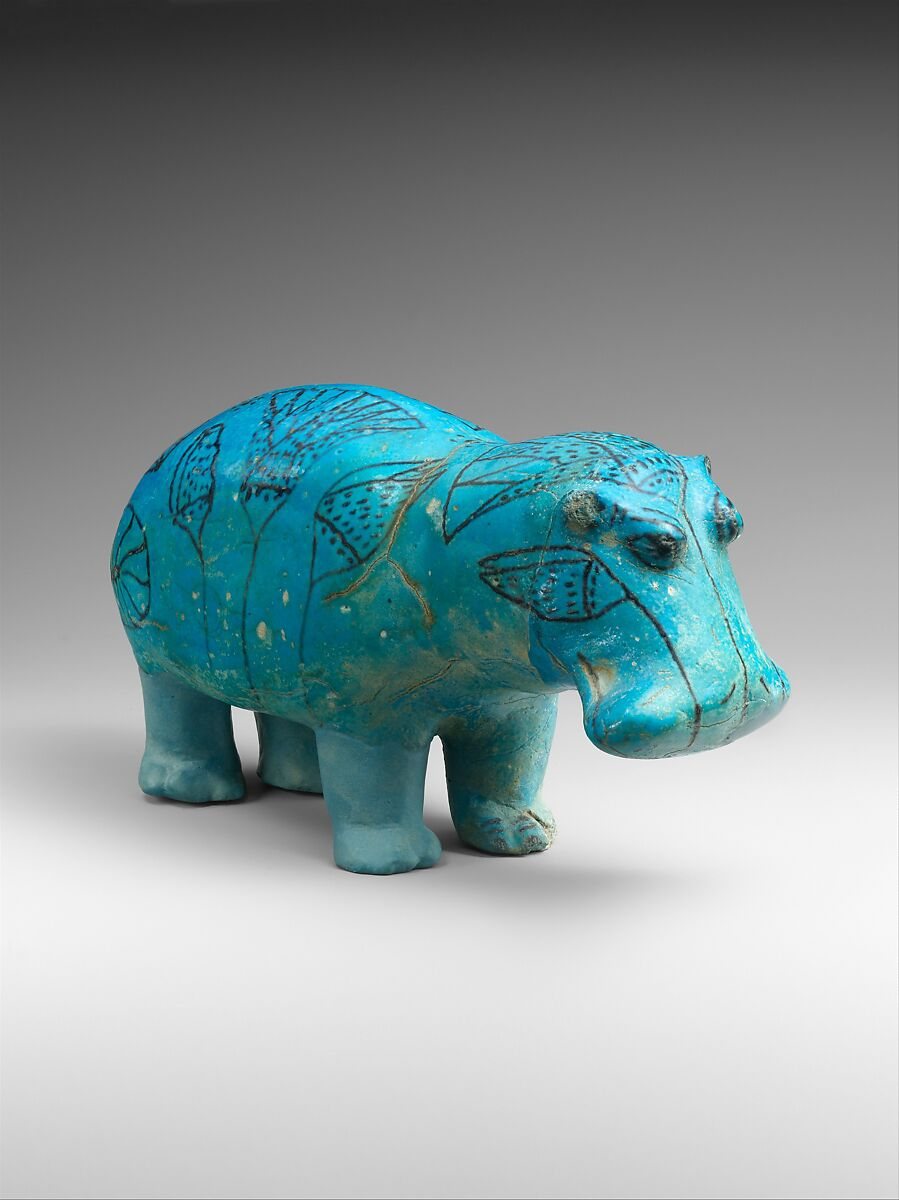
Hippopotamus (William)
This little blue hippo was placed in a tomb in Egypt about 4,000 years ago. Lotus flowers are painted on its body, and it got the name William from a magazine story in 1931.
🎧 Audio guide available in the 3D museum
Did you know?
- He is made of faience, a ceramic of crushed quartz covered with a shiny blue glaze.
- He was found in 1910 in a tomb shaft at Meir in Middle Egypt, in the burial of a steward named Senbi.
- He was one of a pair of hippos placed together in the burial.
- Three of his legs are modern repairs; they were probably broken on purpose so the hippo could not harm the dead.
- Lotus flowers close at night and open again in the morning, so Egyptians saw them as a sign of rebirth.
- Today William is the Met's much-loved unofficial mascot.
About this culture
Ancient Egyptian art flourished along the Nile for about three thousand years, from around 3100 BC until Egypt became part of the Roman Empire in 30 BC.
It is famous for pyramids and temples, majestic statues of pharaohs and sphinxes, and colorful tomb paintings of everyday life.
The artists rarely signed their work, yet they cherished small joys too, like the little blue faience hippo that visitors to the Met fondly call “William”.
More works
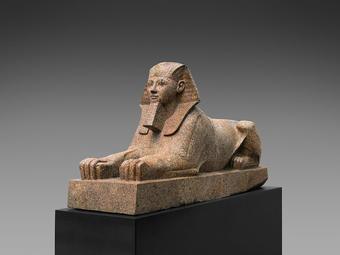 Sphinx of Hatshepsut
Ancient Egypt, c. 1473–1458 BC
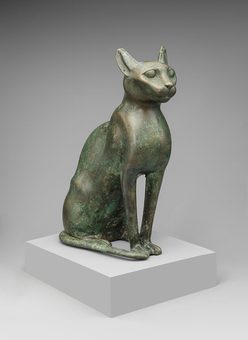 Cat Statuette intended to contain a mummified cat
Ancient Egypt, 332–30 BC
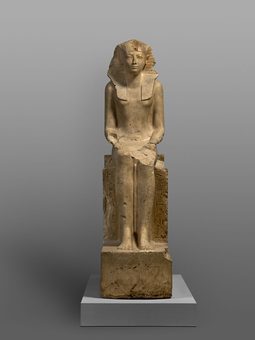 Seated Statue of Hatshepsut
Ancient Egypt, c. 1479–1458 BC
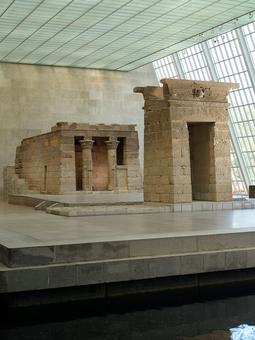 The Temple of Dendur
Ancient Egypt (Roman period), c. 15 BC
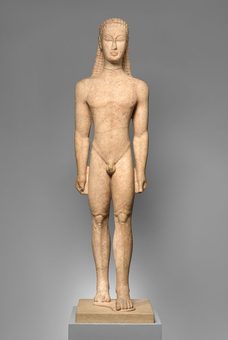 Marble statue of a kouros (youth)
Ancient Greece, c. 590–580 BC
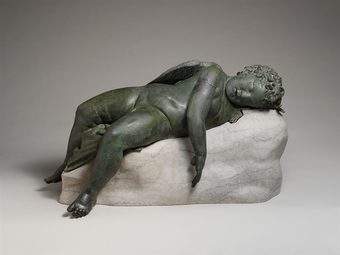 Bronze statue of Eros sleeping
Ancient Greece, 3rd–2nd century BC
The museum is free for everyone. If you enjoy it, you can help us add new paintings and audio guides.
Secure payment via PayPal · any amount