Image: public domain, courtesy of Courtesy National Gallery of Art, Washington
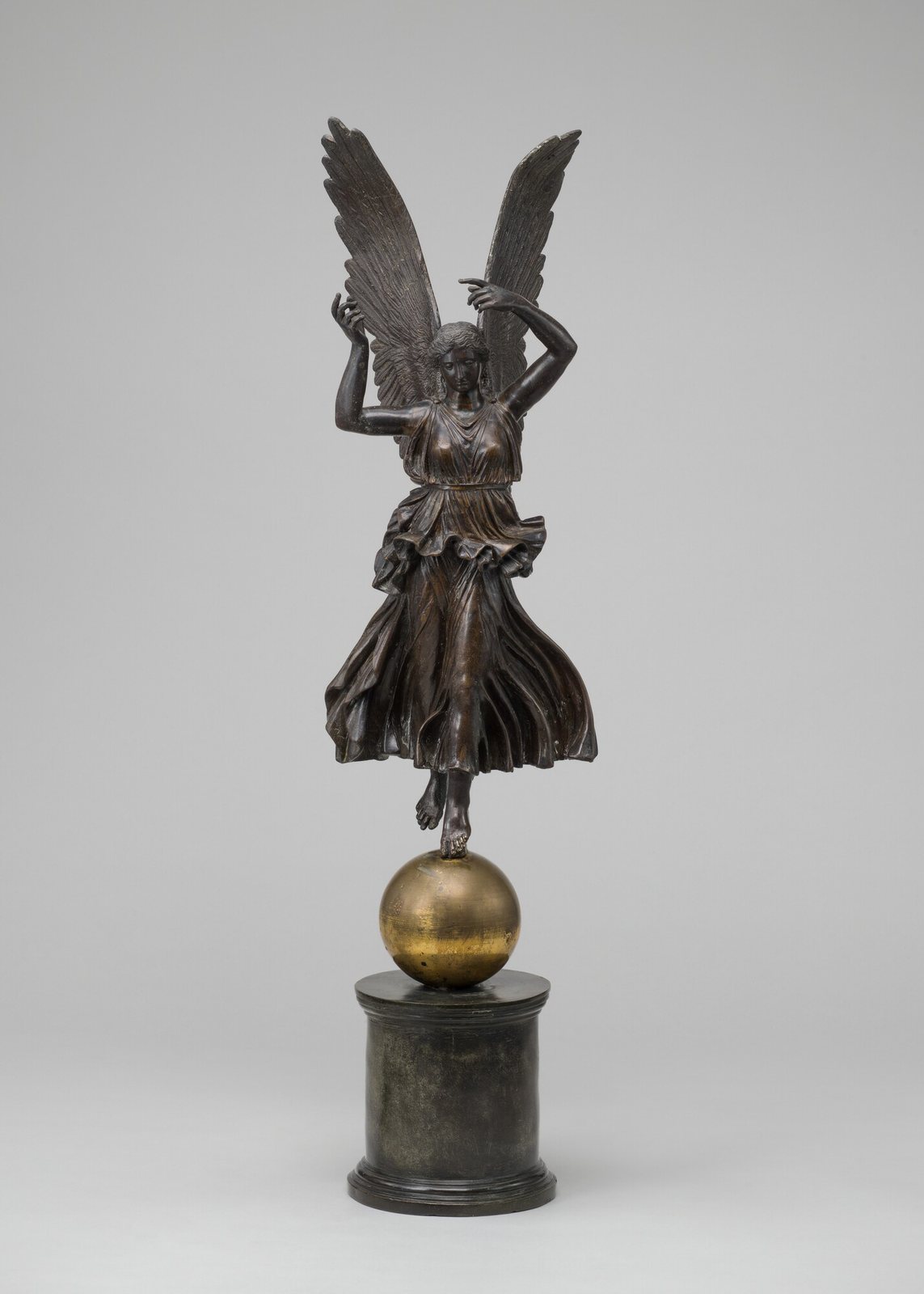
Winged Victory
Victory, the winged goddess of ancient myths, stands lightly on a golden globe. Canova also made a giant marble statue of Napoleon holding a small golden Victory on a globe in his hand.
🎧 Audio guide available in the 3D museum
Did you know?
- This bronze is small: the figure is only about 38 cm tall, standing on a golden globe 10 cm wide.
- The ancient Greeks called Victory Nike, and imagined her flying down from the sky to bring success.
- Napoleon saw the giant marble statue of himself in 1811, found it too athletic and kept it hidden from the public.
- In 1816 the British bought that statue and gave it to the Duke of Wellington; it still stands in his London home.
- A bronze copy of the Napoleon statue, with its little Victory, stands in the courtyard of the Brera palace in Milan.
- This small Victory was on the London art market in the 1980s and joined the National Gallery in 1991.
About the artist
Antonio Canova (1757–1822) was born in Possagno, near Venice, and worked mainly in Venice and Rome.
He became the most celebrated sculptor of his age, famous for graceful marble figures such as Psyche Revived by Cupid's Kiss and the reclining Pauline Borghese.
Raised by his grandfather, a village stonemason, he later used his fame to help bring home to Italy many artworks that had been taken to Paris under Napoleon.
More works
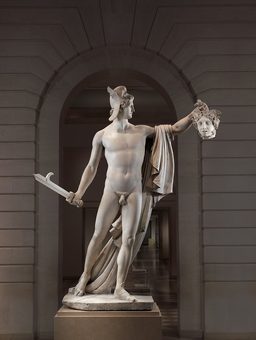 Perseus with the Head of Medusa
Antonio Canova, 1804–06
 Under the Wave off Kanagawa (The Great Wave)
Katsushika Hokusai, 1830/33
 The Horse Fair
Rosa Bonheur, 1852–55
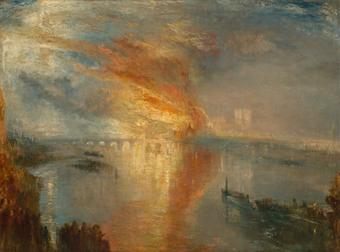 The Burning of the Houses of Lords and Commons
J. M. W. Turner, 1835
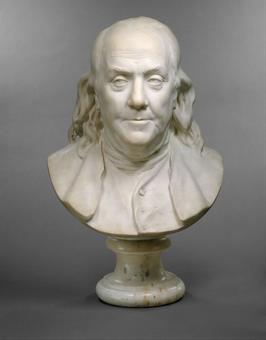 Benjamin Franklin
Jean-Antoine Houdon, 1778
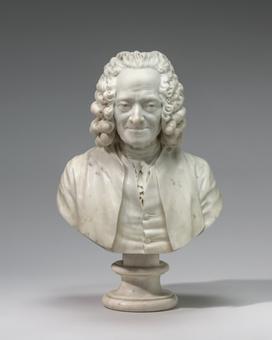 Voltaire
Jean-Antoine Houdon, 1778
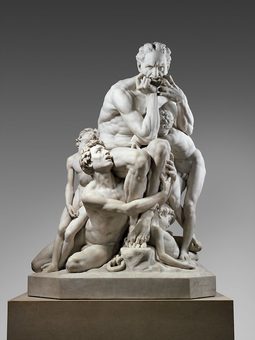 Ugolino and His Sons
Jean-Baptiste Carpeaux, 1865–67
The museum is free for everyone. If you enjoy it, you can help us add new paintings and audio guides.
Secure payment via PayPal · any amount