Image: public domain, courtesy of The Metropolitan Museum of Art, New York
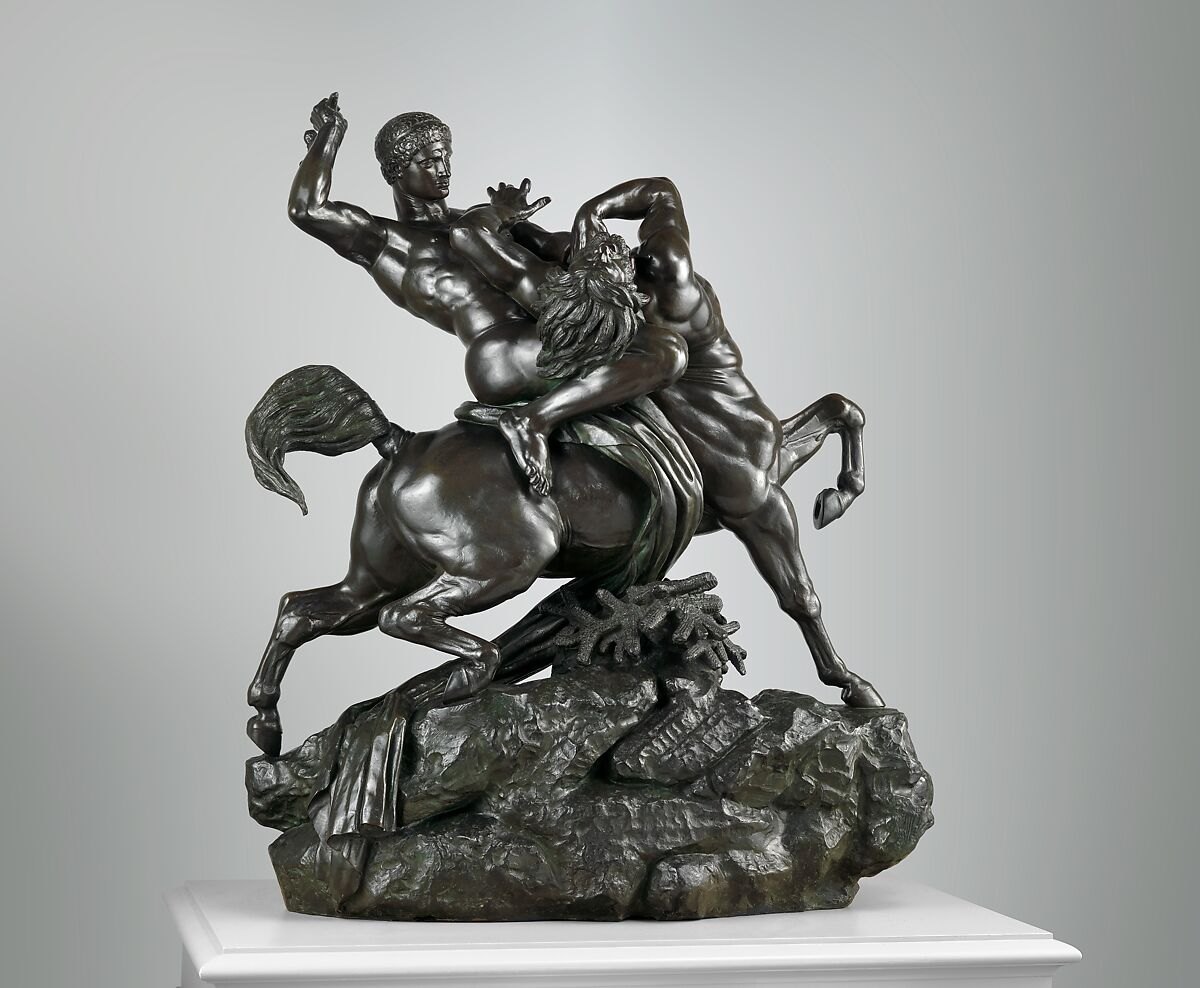
Theseus Fighting the Centaur Bianor
The Greek hero Theseus sits astride the centaur Bianor, half man and half horse, holding his head back with one hand while the centaur rears over rocky ground. Antoine-Louis Barye, famous for his bronze animals, took this scene from an old myth retold by the Roman poet Ovid.
🎧 Audio guide available in the 3D museum
Did you know?
- The scene comes from the battle of the Lapiths and the Centaurs, told in Book 12 of Ovid's Metamorphoses.
- The fight began at the wedding feast of Pirithous, king of the Lapiths, when the centaurs drank too much wine and tried to carry off the bride.
- In Ovid's poem Theseus leaps onto Bianor's back and grabs him by the hair, just as we see here.
- Barye showed a large plaster model of this group at the Paris Salon of 1850, and bronzes in several sizes were cast afterwards.
- The pose of the hero recalls Giambologna's marble Hercules and the centaur, which stands in the Loggia dei Lanzi in Florence.
- A heroic human scene like this is unusual for Barye, who was best known for small bronzes of animals.
About the artist
Antoine-Louis Barye (1795–1875) was born and died in Paris; he first trained as a goldsmith and then studied sculpture at the École des Beaux-Arts.
He spent years drawing living animals at the Jardin des Plantes, the Paris natural history museum's garden and zoo, and became celebrated for powerful bronzes such as Lion Crushing a Serpent.
From 1854 until his death he taught zoological drawing at the natural history museum, and the young Auguste Rodin was briefly one of his pupils.
More works
 Under the Wave off Kanagawa (The Great Wave)
Katsushika Hokusai, 1830/33
 The Horse Fair
Rosa Bonheur, 1852–55
 The Burning of the Houses of Lords and Commons
J. M. W. Turner, 1835
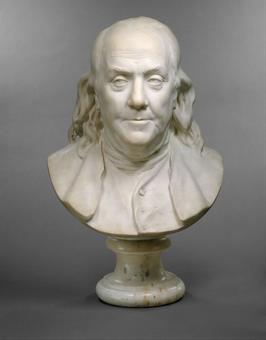 Benjamin Franklin
Jean-Antoine Houdon, 1778
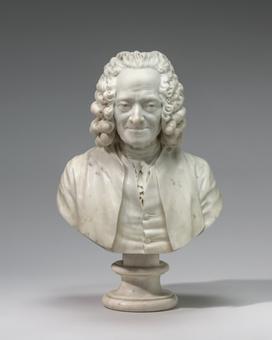 Voltaire
Jean-Antoine Houdon, 1778
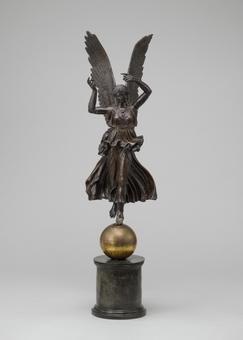 Winged Victory
Antonio Canova, c. 1803/06
The museum is free for everyone. If you enjoy it, you can help us add new paintings and audio guides.
Secure payment via PayPal · any amount