Image: public domain, courtesy of The Metropolitan Museum of Art, New York
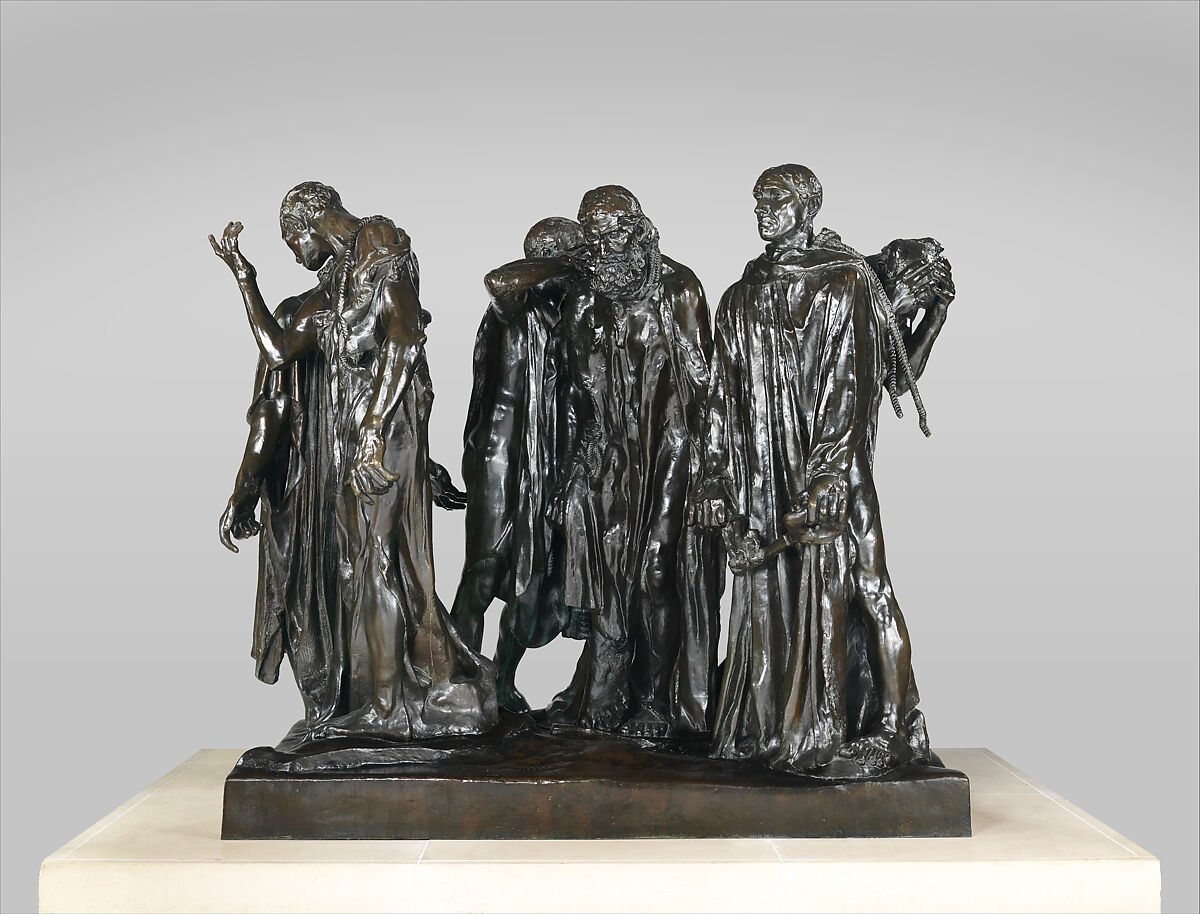
The Burghers of Calais
In the 1300s, six leading citizens of Calais offered their lives to the English king to end his siege of their town. Rodin showed them not as proud heroes, but as real men full of both despair and courage.
🎧 Audio guide available in the 3D museum
Did you know?
- This bronze was cast in 1985 at the Coubertin foundry in France, about a century after Rodin modelled it.
- Look for the large key held by one of the men: the king demanded the keys of the town and castle.
- Look for the ropes around their necks, a sign of total surrender that the king demanded.
- According to the chronicler Froissart, Queen Philippa begged the king to spare them, and the men lived.
- Rodin wanted the figures at ground level, so people could stand among them as equals.
- Only twelve original casts of this group are allowed; the twelfth and last was made in 1995.
About the artist
Auguste Rodin (1840–1917) was born in Paris and worked there and in nearby Meudon.
Often called the father of modern sculpture, he is famous for The Thinker, first imagined as the poet Dante, as well as The Kiss and The Burghers of Calais.
The École des Beaux-Arts turned him down three times, yet he never gave up and worked for years as a decorative craftsman until his talent was recognized.
More works
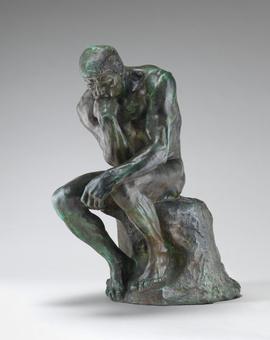 The Thinker
Auguste Rodin, 1880 (cast 1901)
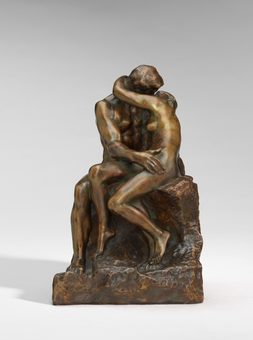 The Kiss (Le Baiser)
Auguste Rodin, 1880–1887
 The Age of Bronze
Auguste Rodin, 1875–76
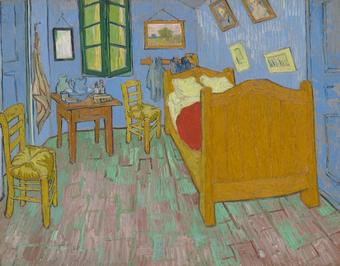 The Bedroom
Vincent van Gogh, 1889
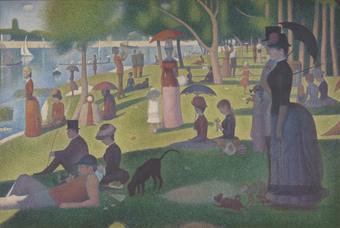 A Sunday on La Grande Jatte
Georges Seurat, 1884–86
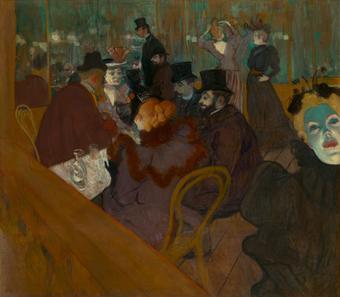 At the Moulin Rouge
Henri de Toulouse-Lautrec, 1892–95
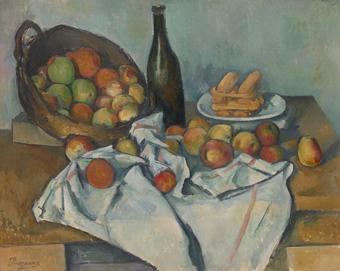 The Basket of Apples
Paul Cézanne, c. 1893
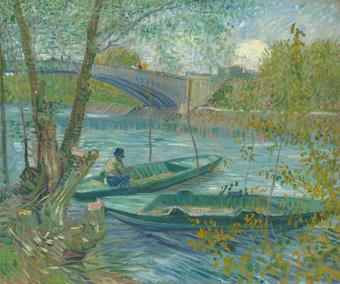 Fishing in Spring, the Pont de Clichy (Asnières)
Vincent van Gogh, 1887
The museum is free for everyone. If you enjoy it, you can help us add new paintings and audio guides.
Secure payment via PayPal · any amount